History
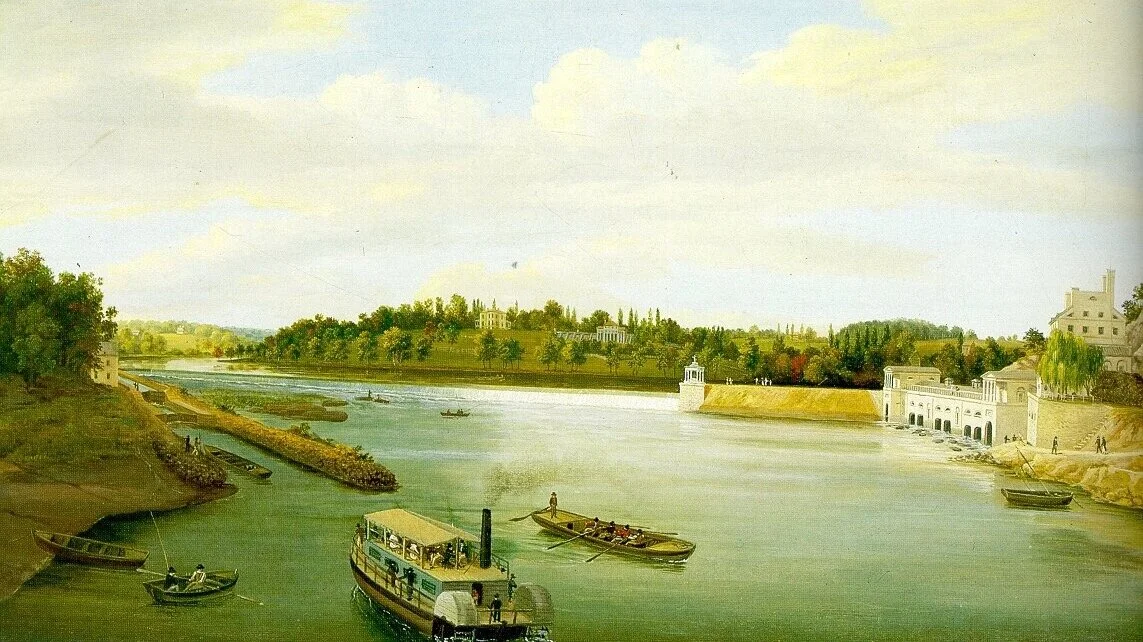
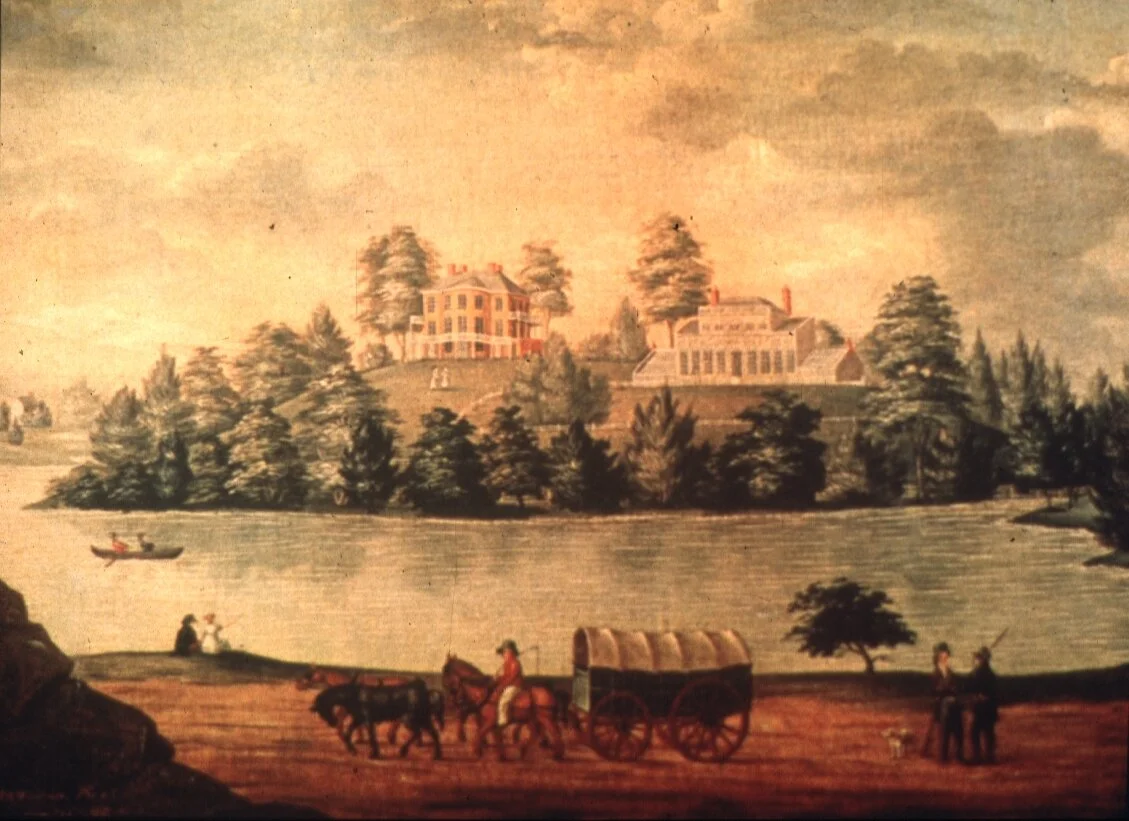
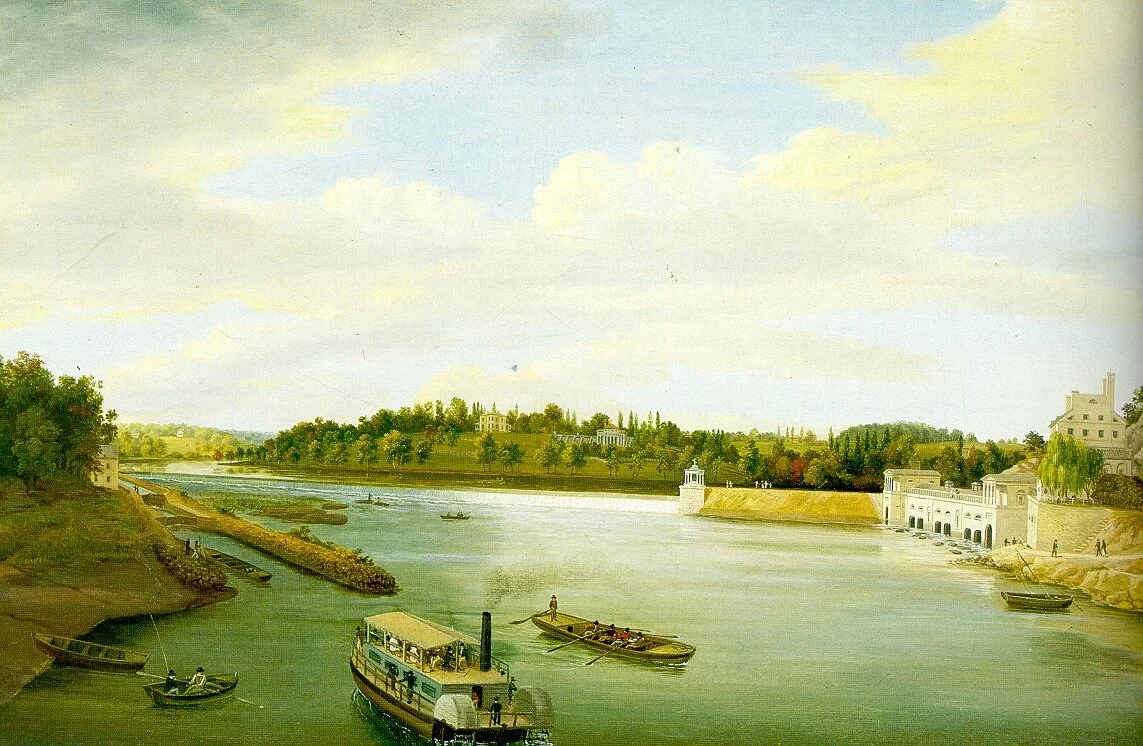
View of Lemon Hill and the Fairmount Water Works circa 1821. Photo courtesy Philadelphia Parks & Recreation
Country Estate
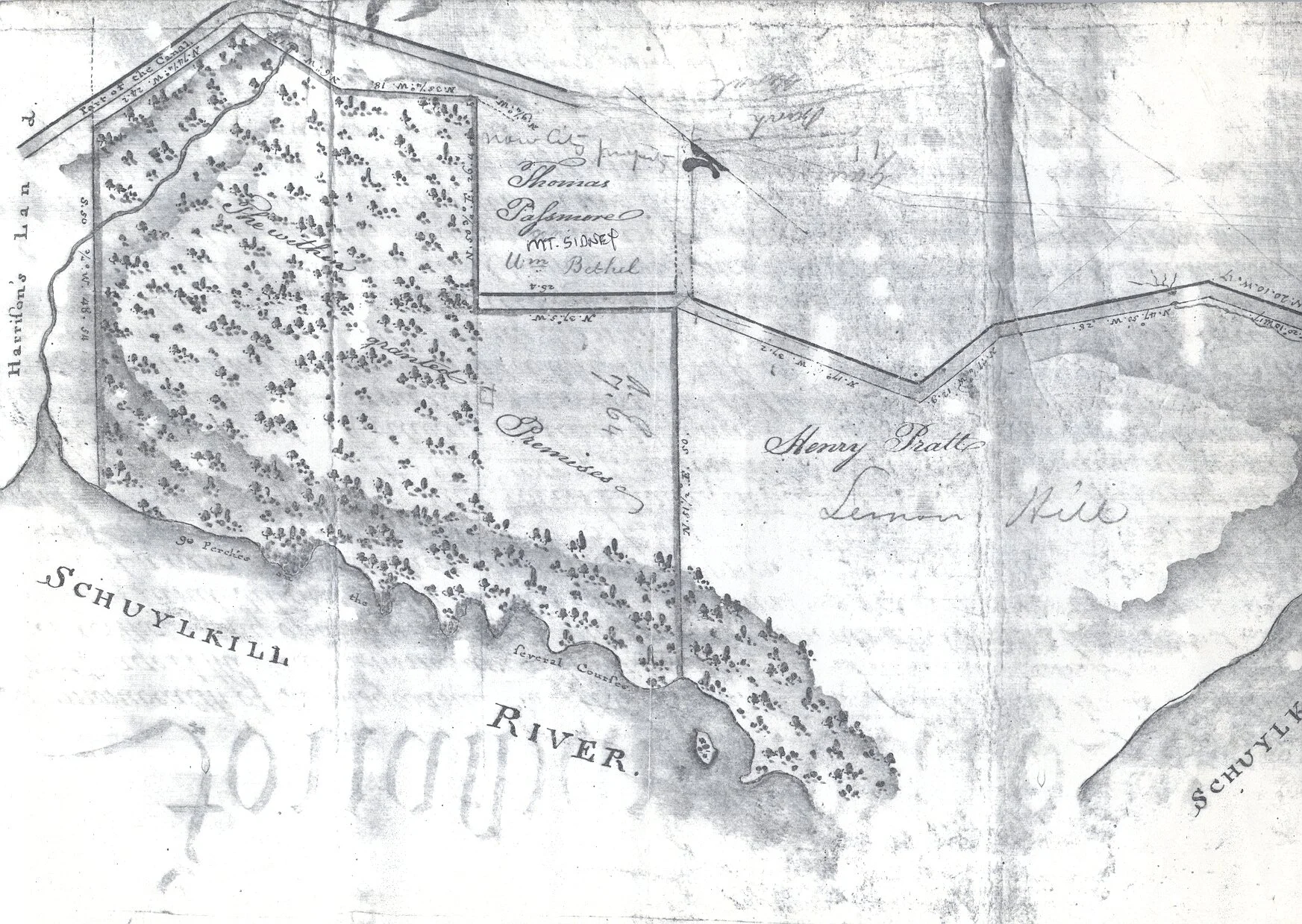
The site of Lemon Hill Mansion, located on a hill high above the Schuylkill River, was originally part of Springettsbury Manor, a large tract of woods and farmland owned by William Penn and named for his wife Gulielma Springett. In the middle of the 18th century, the manor was broken up into smaller farms and estates.
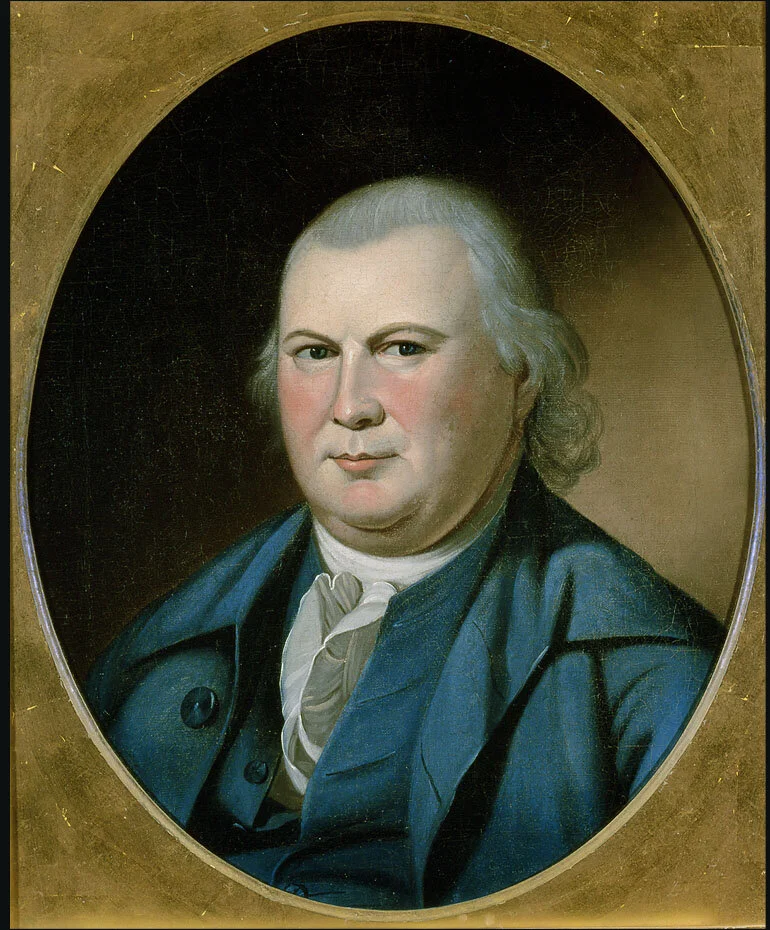
Robert Morris (1734-1806), a signer of the Declaration of Independence and the U.S. Constitution, purchased 300 acres of Springettsbury Manor in 1770 for his country seat, “The Hills.” One of the wealthiest men of the American Revolutionary period, Morris helped to finance the American Revolution and owned estates throughout the Philadelphia area. Though he did not live on the Lemon Hill property, instead renting out several tenant farms on the land, Morris built “a large and elegant greenhouse,” flanked by hot houses and having gardener’s quarters, vaults and root cellars.
By the end of the century, Morris’ speculation on land deals had left him deeply indebted. Bankrupt by 1799, he was taken to debtor’s prison and “The Hills” was confiscated by his creditors. Henry Pratt purchased 43 acres of the tract, including the greenhouse structure, at sheriff’s sale for $14,654.
Home & Garden
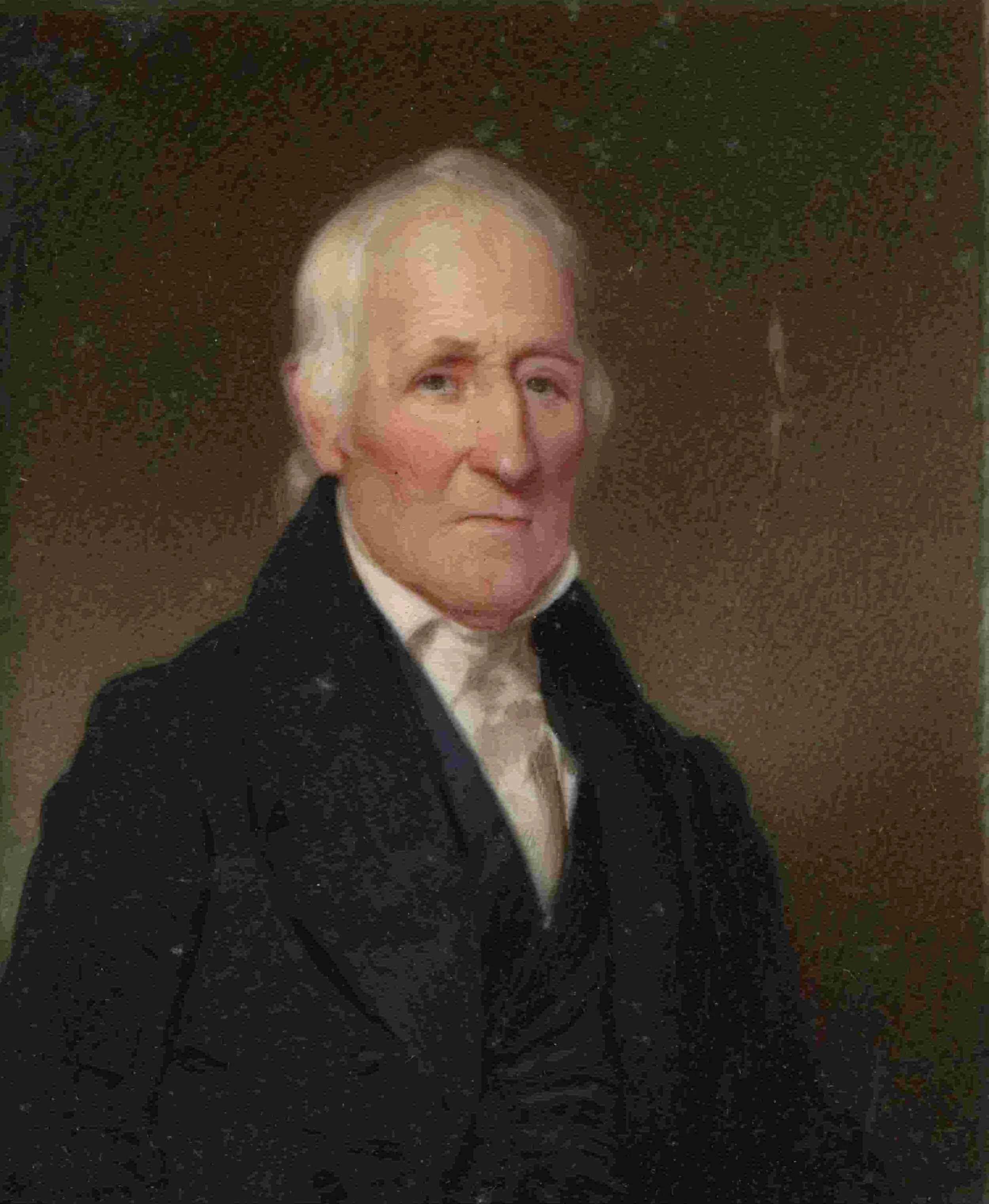
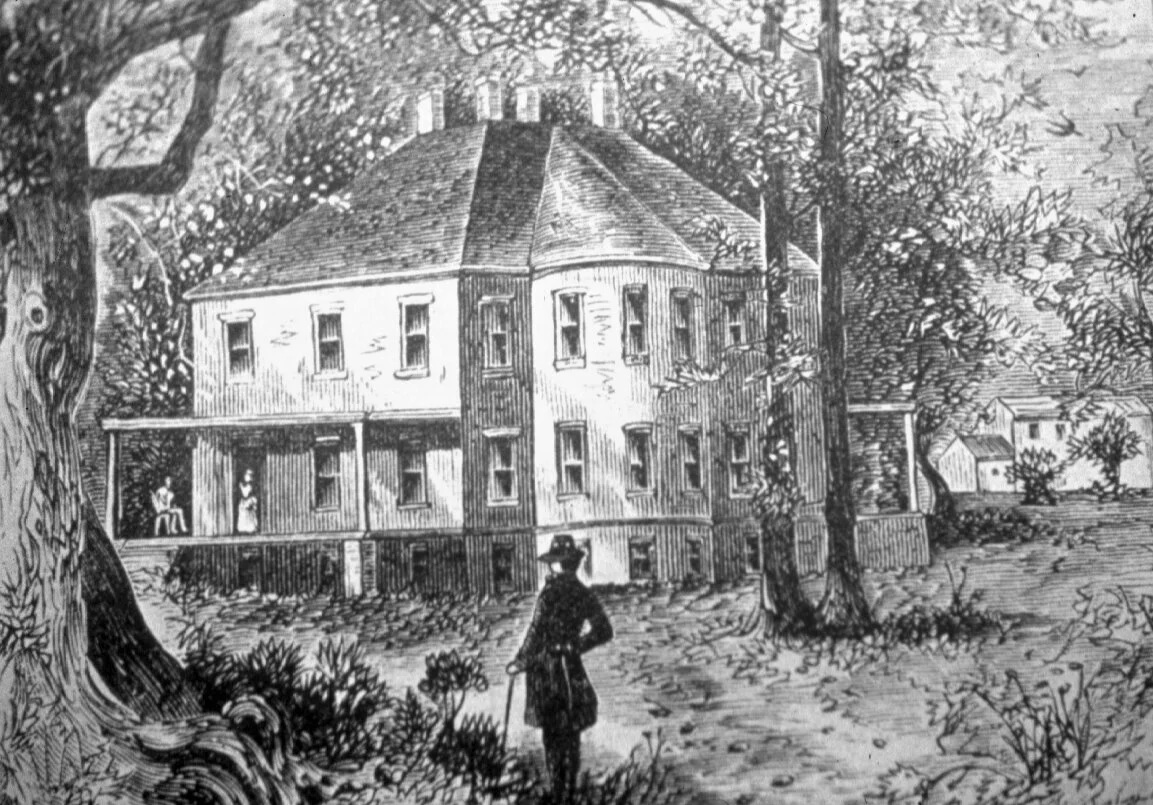
Henry Pratt (1761-1838) was the son of Matthew Pratt, a portrait painter, and his wife Elizabeth Moore. A successful merchant in the China trade and Philadelphia real estate speculator, he acquired the property as a country estate. Pratt built Lemon Hill Mansion from 1799 to 1800, naming the new building after the citrus trees he cultivated in the property’s greenhouse complex.
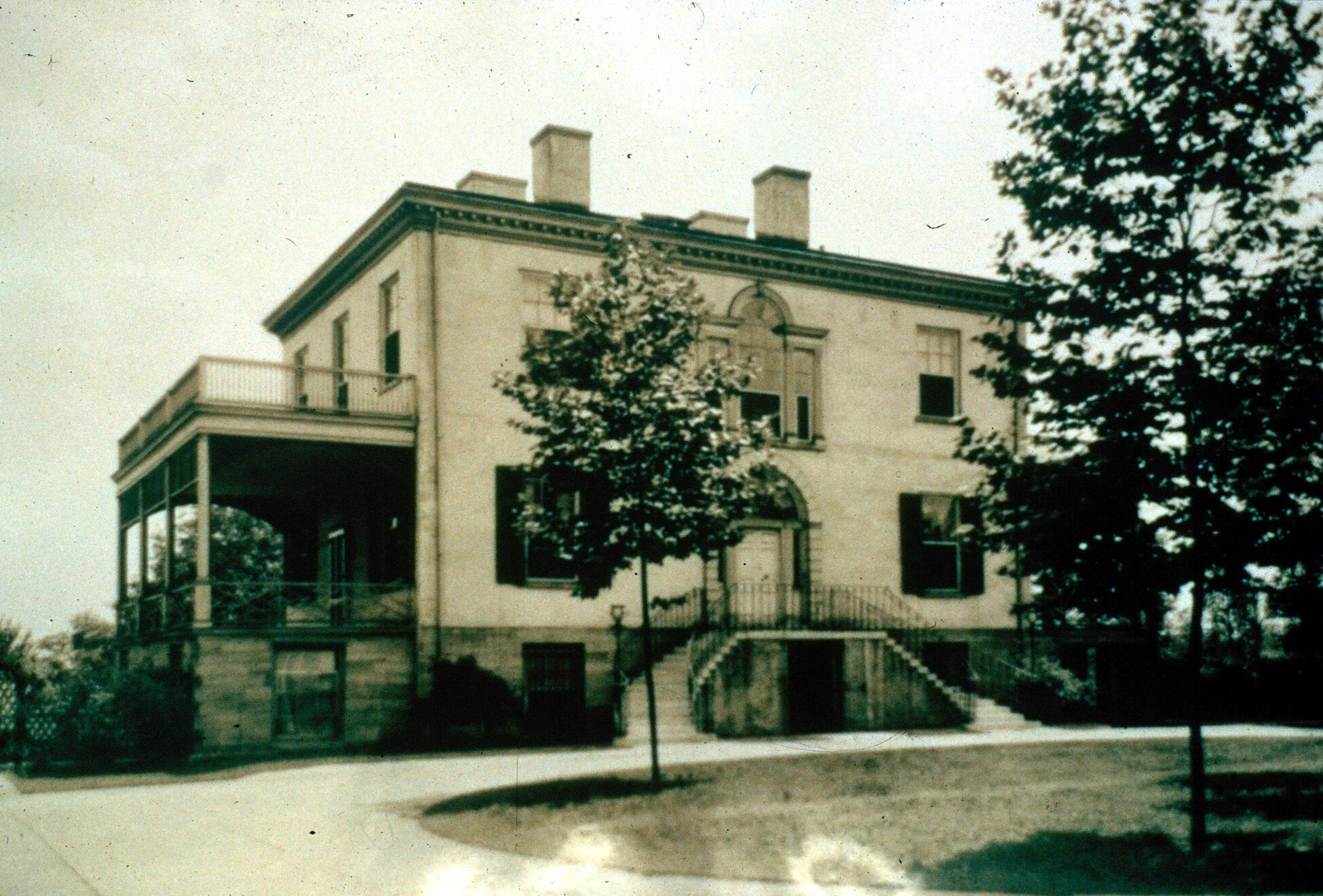
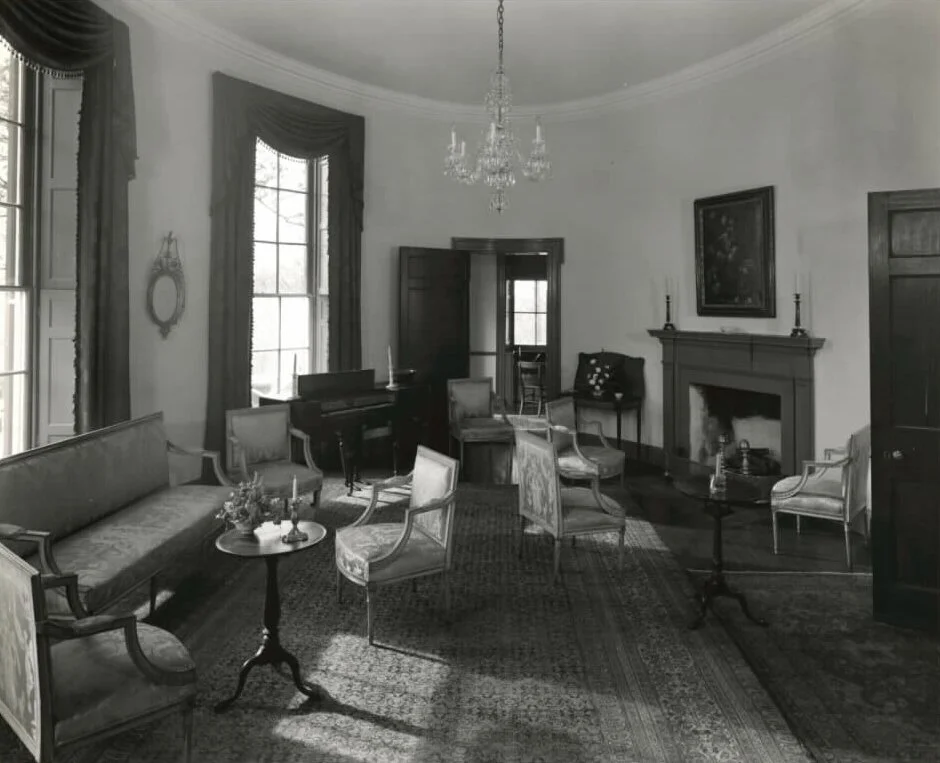
The design, in Adamesque Federal style, features a series of oval rooms on each of three floors, projecting from the rectangular structure of the house. The oval rooms overlook the Schuylkill River and the City of Philadelphia, and their curved doors and fireplaces are the dominating interior features. The entrance façade to the north features a pair of curving steps leading up to double doors framed by sidelights and a fanlight of a delicate pattern, with a floor to ceiling Palladian window above. The main portion of the house is flanked by wide porches across both ends.
It is not known whether Henry Pratt designed Lemon Hill himself or whether it was the work of a local builder of the period, though Pratt served as his own contractor in building the mansion. The house reflects the nineteenth century transition from Georgian vernacular architecture to planned buildings, and has echoes of contemporary Federal style homes such as William Hamilton’s Woodlands Mansion in West Philadelphia, the work of Massachusetts architect Charles Bullfinch, and the original design for the White House by James Hoban.
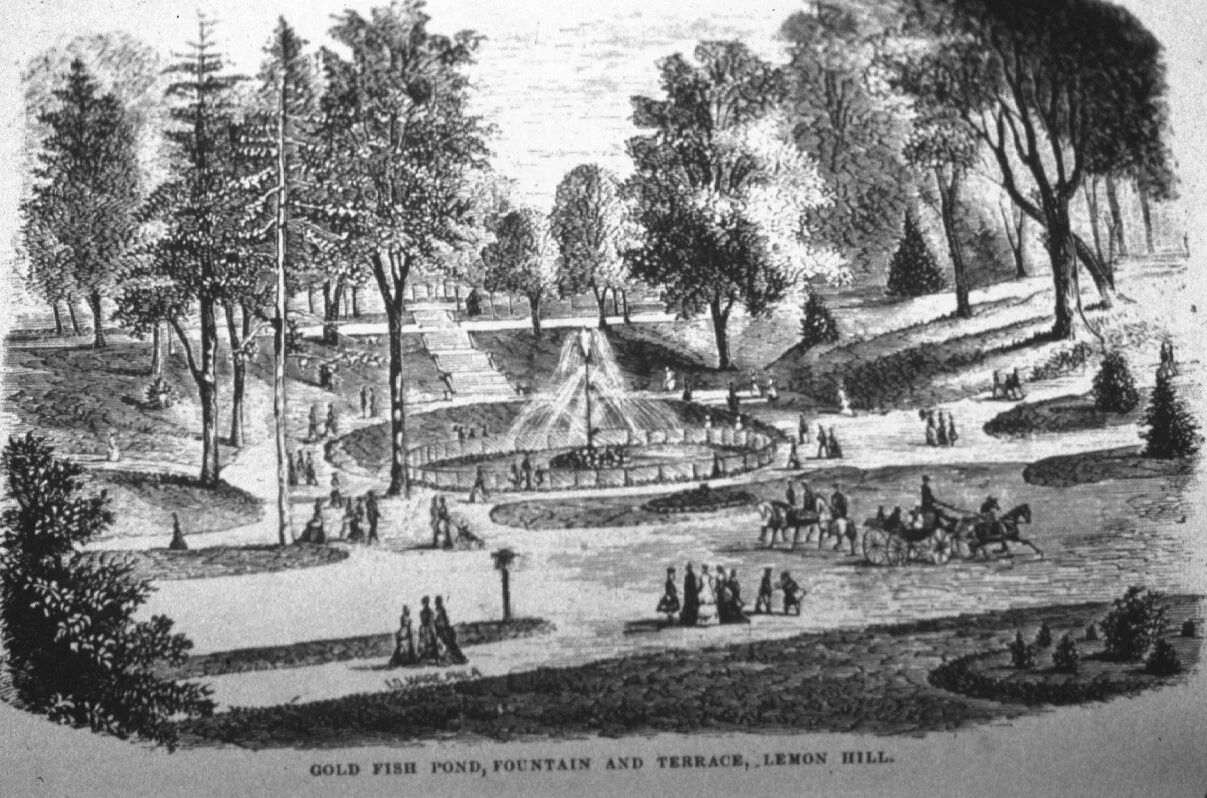
Pratt also cultivated extensive gardens at Lemon Hill from 1799 to 1836 in the English landscape garden style, with an elaborate system of paths with arboretum-type planting, classical statues, and numerous fish ponds and grottoes, as well as an extensive greenhouse complex. By the first decades of the nineteenth century, the gardens and greenhouses were open to the public and famed for his collection of rare horticultural specimens.
“This beautiful garden, so creditable to the owner, and even to the city of Philadelphia, is kept in perfect order at a great expense... when associated with the green and hot house department, it may be pronounced unrivalled in the Union.” Pennsylvania Horticultural Society Handbook, 1830
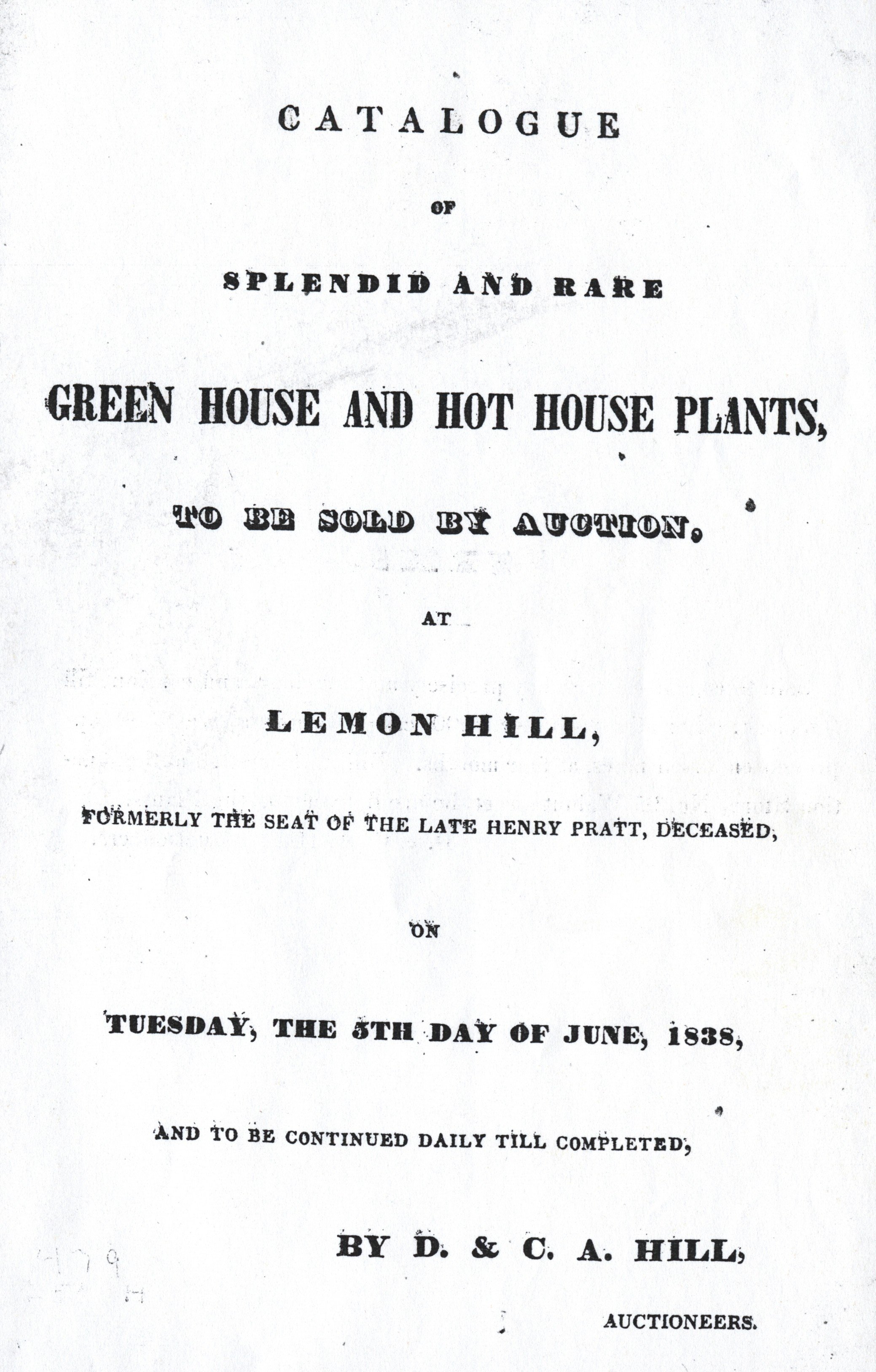
Henry Pratt sold the Lemon Hill estate in 1836 for $225,000. He died two years later in 1838, having outlived his three wives and thirteen of his fifteen children. After Pratt’s death, the contents of the greenhouse were sold at an auction, including over 700 types of plants, listed with both Linnaean and common names.
Revels & Recreation
The Lemon Hill property significantly declined in value during the Panic of 1837 and passed through multiple owners, and by 1843 was being considered for use as an industrial site. Concerned about industrial pollution contaminating the Fairmount Water Works downstream, the City of Philadelphia purchased the estate in 1844.
From 1844 to 1854, Lemon Hill was leased to P. Zaiss, a local brewer who operated a beer garden on the property, selling lager beer from the house itself. Lemon Hill became hugely popular with Philadelphia’s German community, who used the grounds for singing concerts known as “Sangerfests.” In 1850 and 1857, Philadelphia hosted the National Sangerfest, drawing crowds of ten thousand people to Lemon Hill. Although visitors still flocked to the gardens surrounding Lemon Hill Mansion, they were no longer carefully maintained: the greenhouse complex and many of the mansion’s outbuildings were destroyed during this period.
The City of Philadelphia declared the Lemon Hill property to be a public park in 1855, the first land in what would eventually become today’s Fairmount Park. During the 1860s, substantial modifications were made to the exterior of the house, including replacing the roof and the wooden porches with a cast iron verandah in the Victorian style. By the 1876 Centennial Exposition, Lemon Hill Mansion hosted a restaurant and ice cream stand, as well as a music pavilion on the grounds. The Exposition included many of the historic mansions in its list of destinations, and sparked renewed interest in the colonial history of the Park houses.
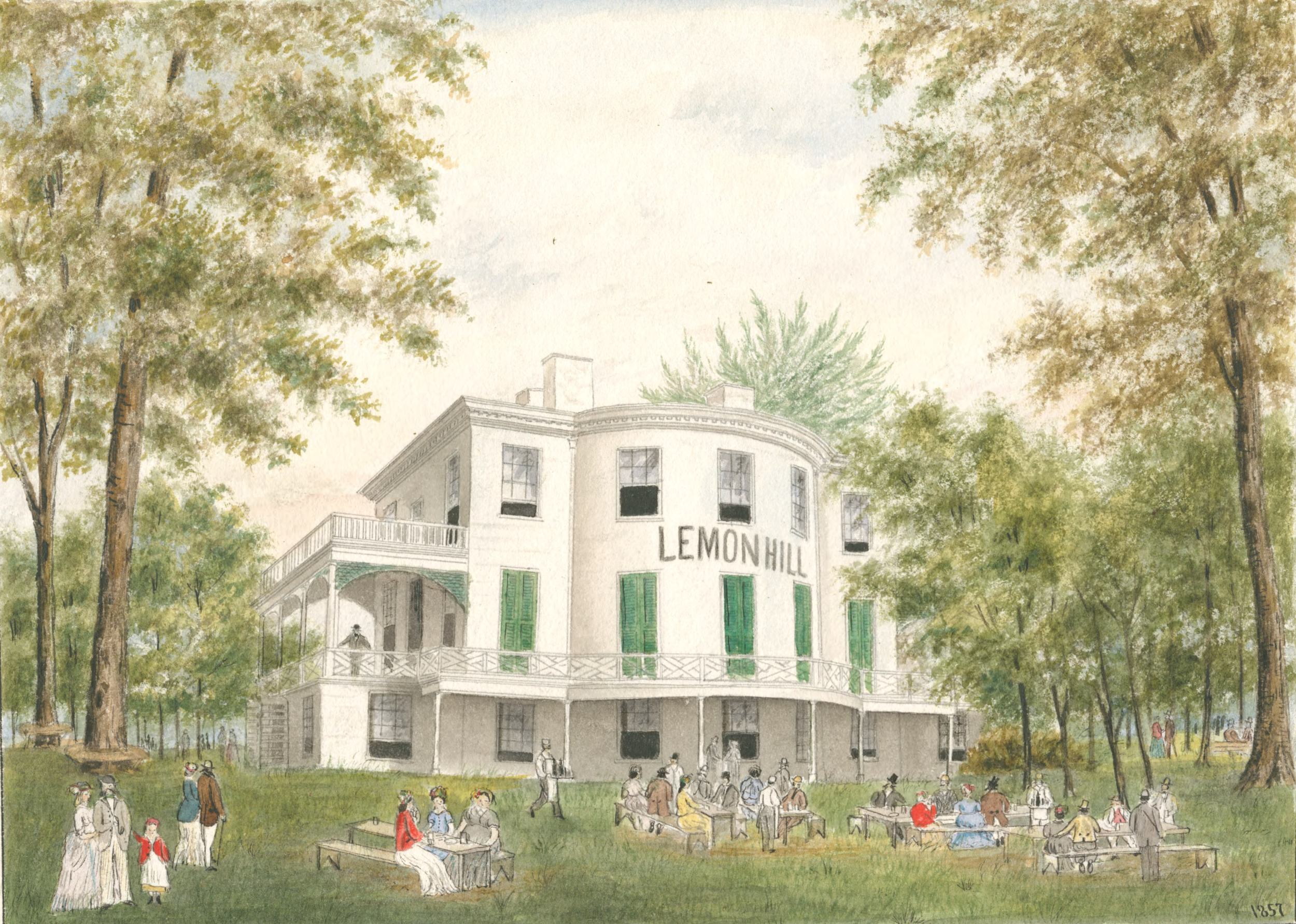
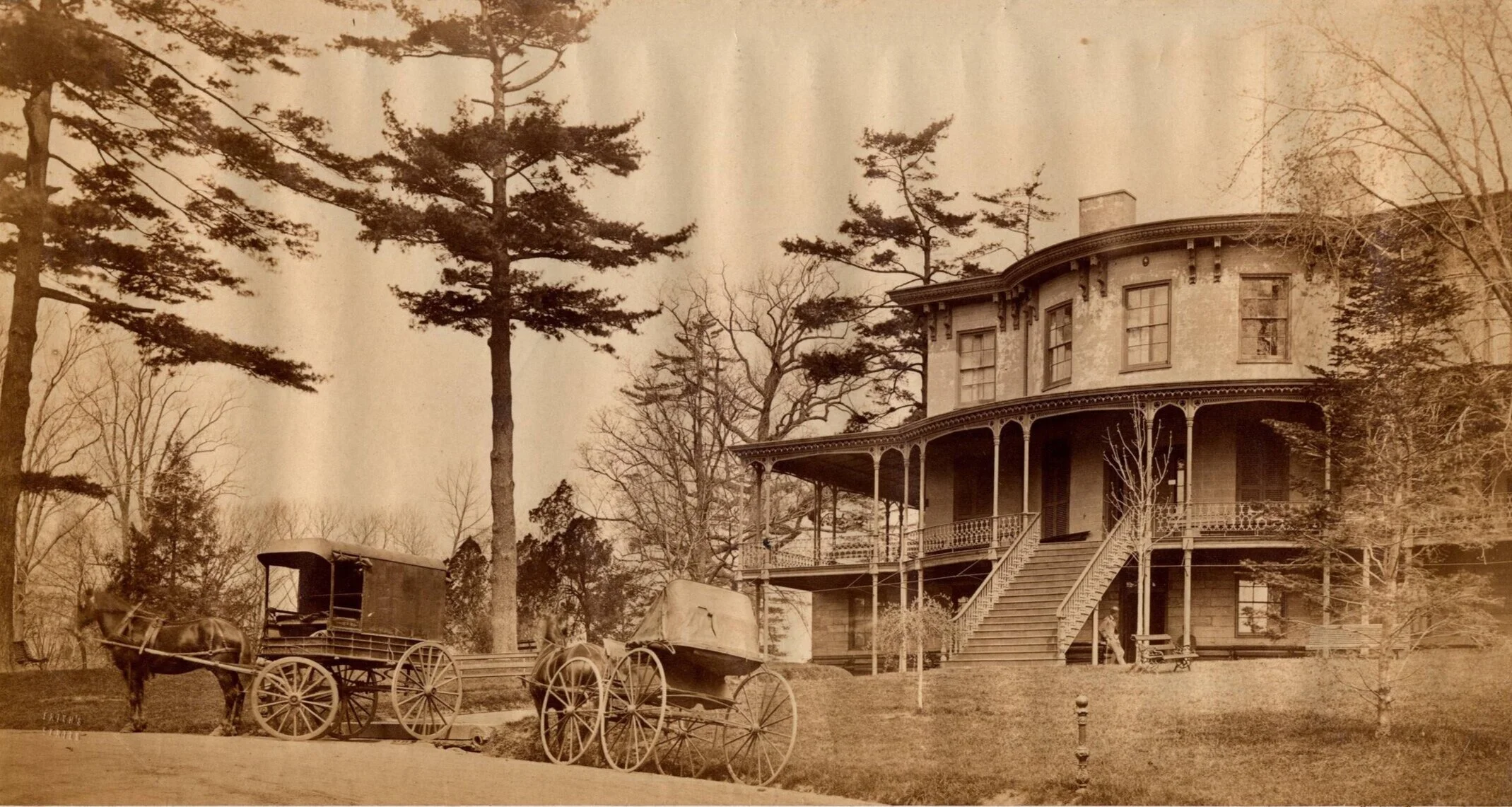
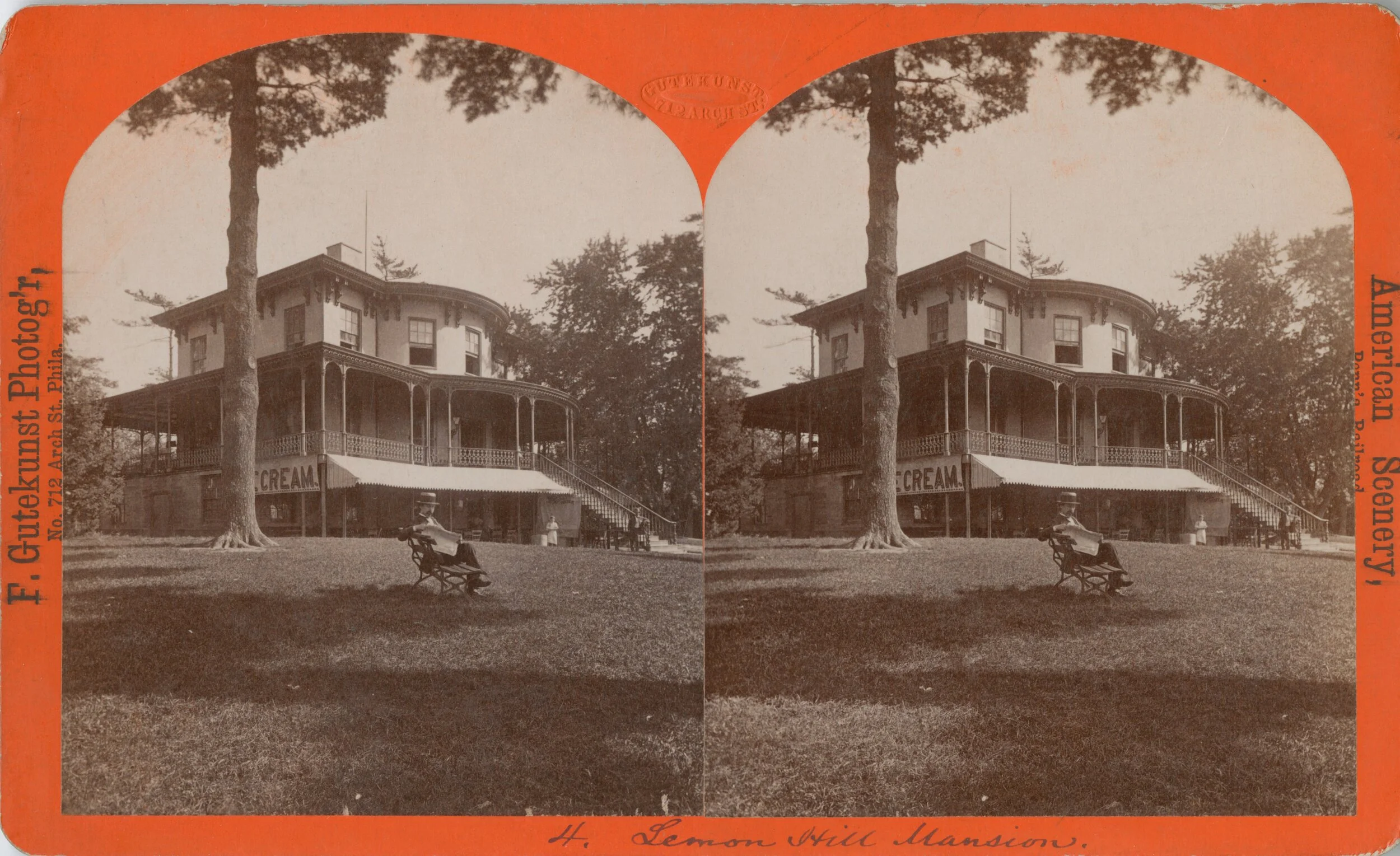
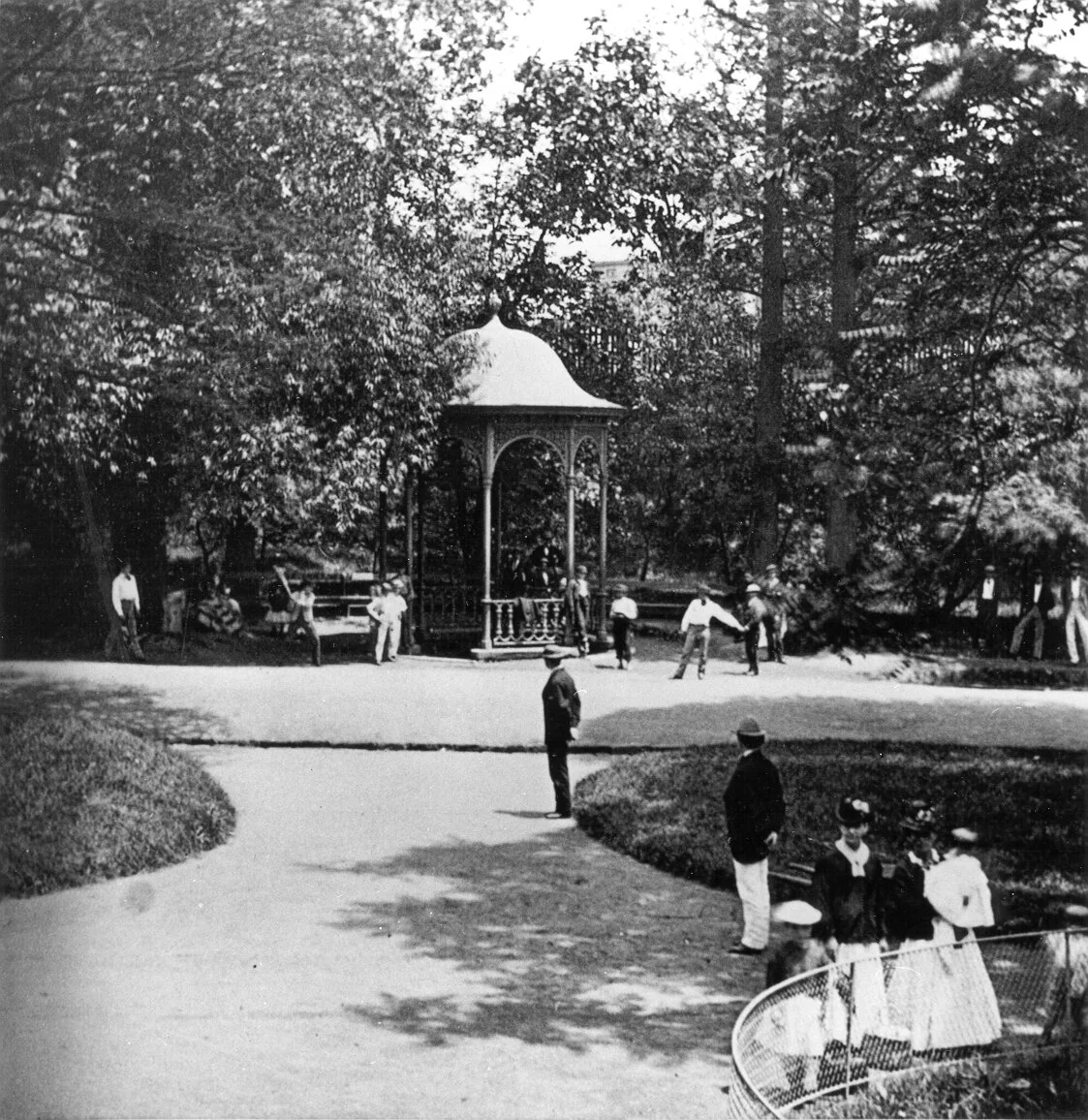
A House in the Park
From 1926 to 1955, the mansion was the residence of Fiske Kimball, the first director of the Philadelphia Museum of Art. Both Kimball and his wife Marie Goebel Kimball were architectural historians, and they supervised the restoration of the mansion to its 1800 appearance, removing the verandah and renovating the interior.
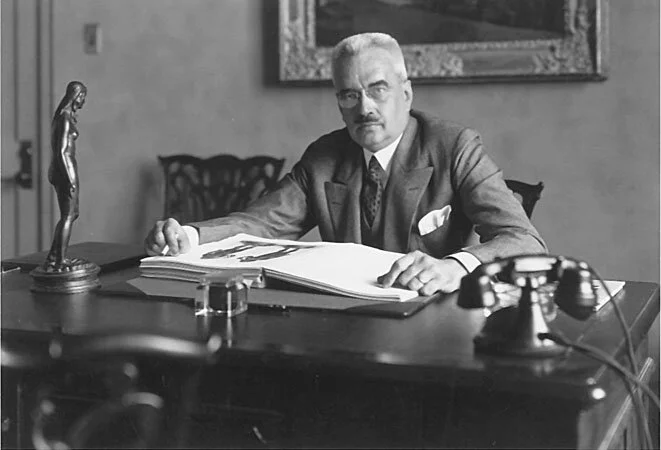
“Behind immense victorian cast-iron porches all about, I could see the mass of a superb mansion of the end of the 18th century, the fanlight of a great doorway and a Palladian window above…” – Fiske Kimball, 1926
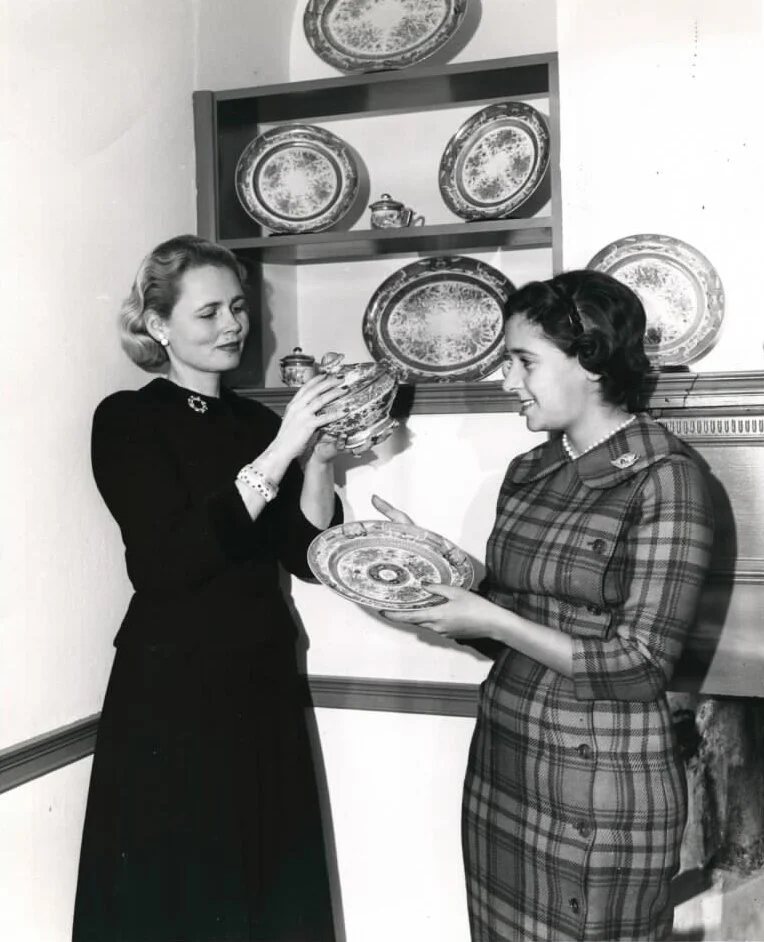
After Fiske Kimball’s death in 1955, Lemon Hill was opened to the public as a historic house museum. First overseen by the Colonial Dames of America Chapter II, who furnished the interior with period antiques, it is currently managed by the Fairmount Park Conservancy and Philadelphia Parks and Recreation.